
Lastest News
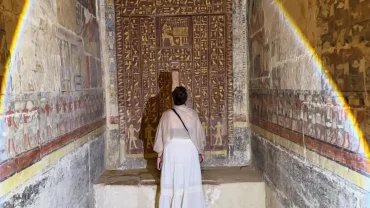
Luxor & Aswan Travel Guide: Top Attractions, Temples & Nile Experiences
🏛️ Luxor: The World’s Greatest Open-Air Museum Luxor is split by the Nile into the East Bank (City of the Living) and the West Bank (City of the Dead). Must-See Sights: Karnak Temple: A massive complex of pylons and giant pillars (East Bank). Luxor Temple: Stunningly lit up at night, located in the heart of […]
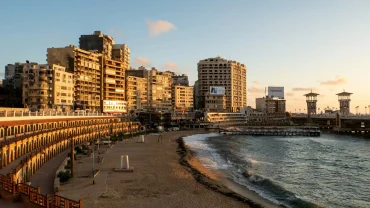
Alexandria Egypt: Travel Guide to Top Attractions & Mediterranean
Alexandria: The Pearl of the Mediterranean Founded by Alexander the Great to be the world’s beacon of knowledge, Alexandria is a city where Egyptian soul meets European elegance. Stretching along the stunning Mediterranean coastline, it offers a “high-end” cultural escape, blending ancient wonders, royal palaces, and the refreshing sea breeze. 1. The Bibliotheca Alexandrina: A […]
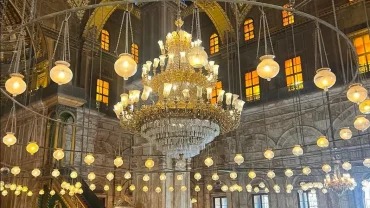
Cairo Egypt: Ultimate Travel Guide to Pyramids, Museums & Nile
Cairo: The Eternal Magic of the East Cairo: The Eternal Magic of the East Cairo is not just a capital; it is the “City of a Thousand Minarets” and the beating heart of the Arab world. It is the only place on Earth where you can stand before the wonders of the ancient world in […]
Comment (0)