
Crystal Mountain: The Sparkling Jewel of the Desert
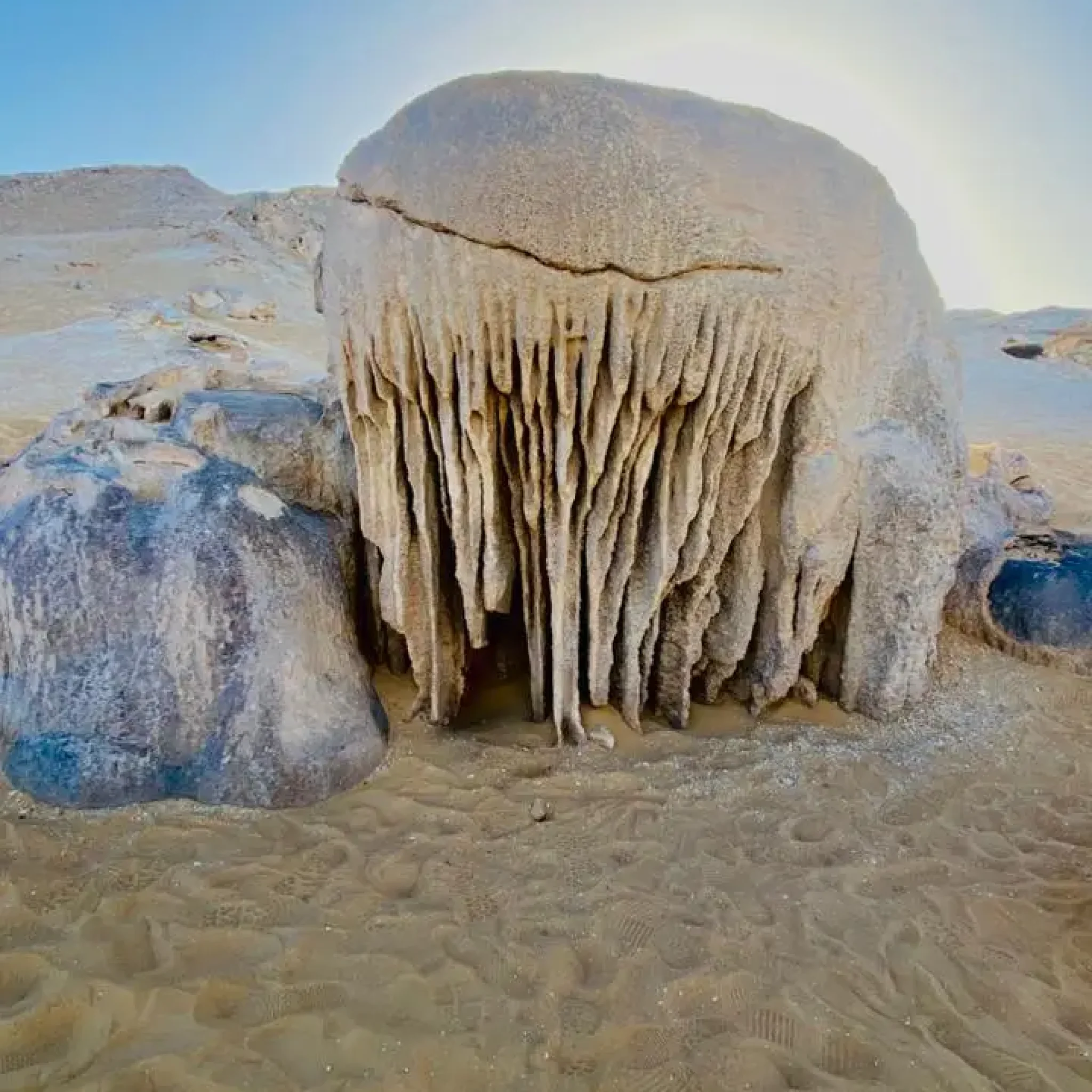
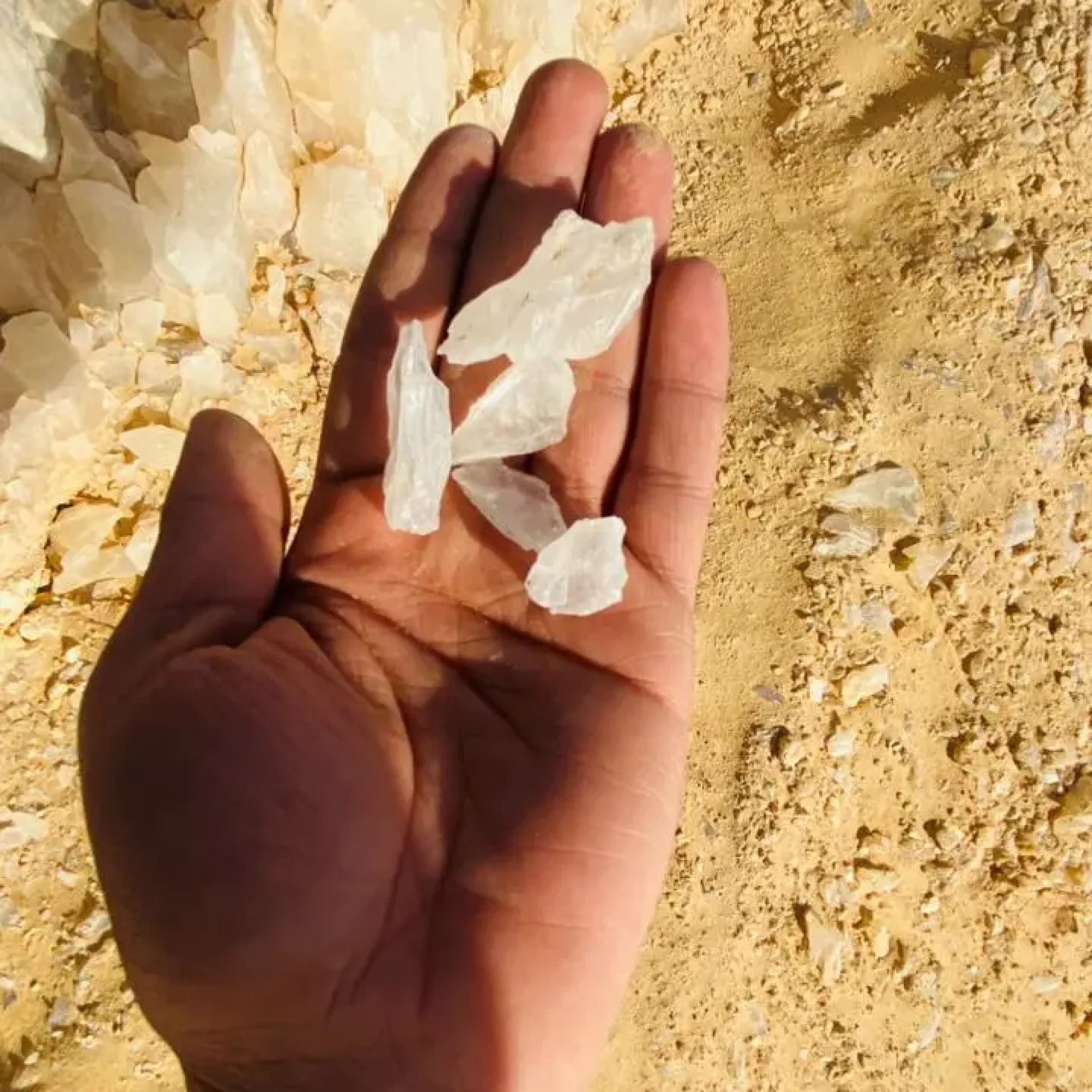
lies one of the world’s rarest geological treasures: Crystal Mountain (Gabal el-Izz). It is not a mountain in the traditional sense of height, but rather a “natural cathedral” made of shimmering calcite crystals that sparkle like diamonds under the golden Egyptian sun.
A Geological Masterpiece: How Nature Crafted a Jewel
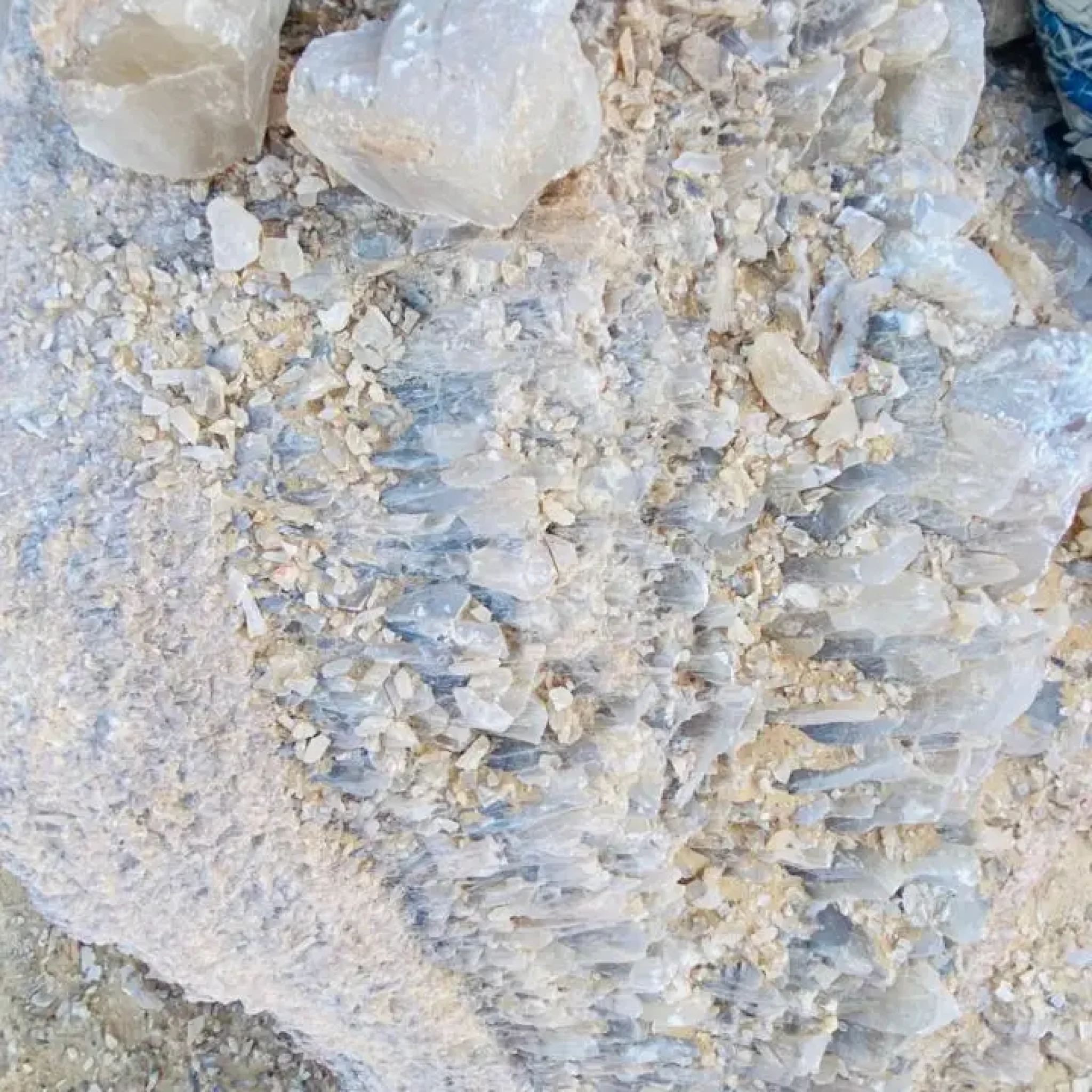
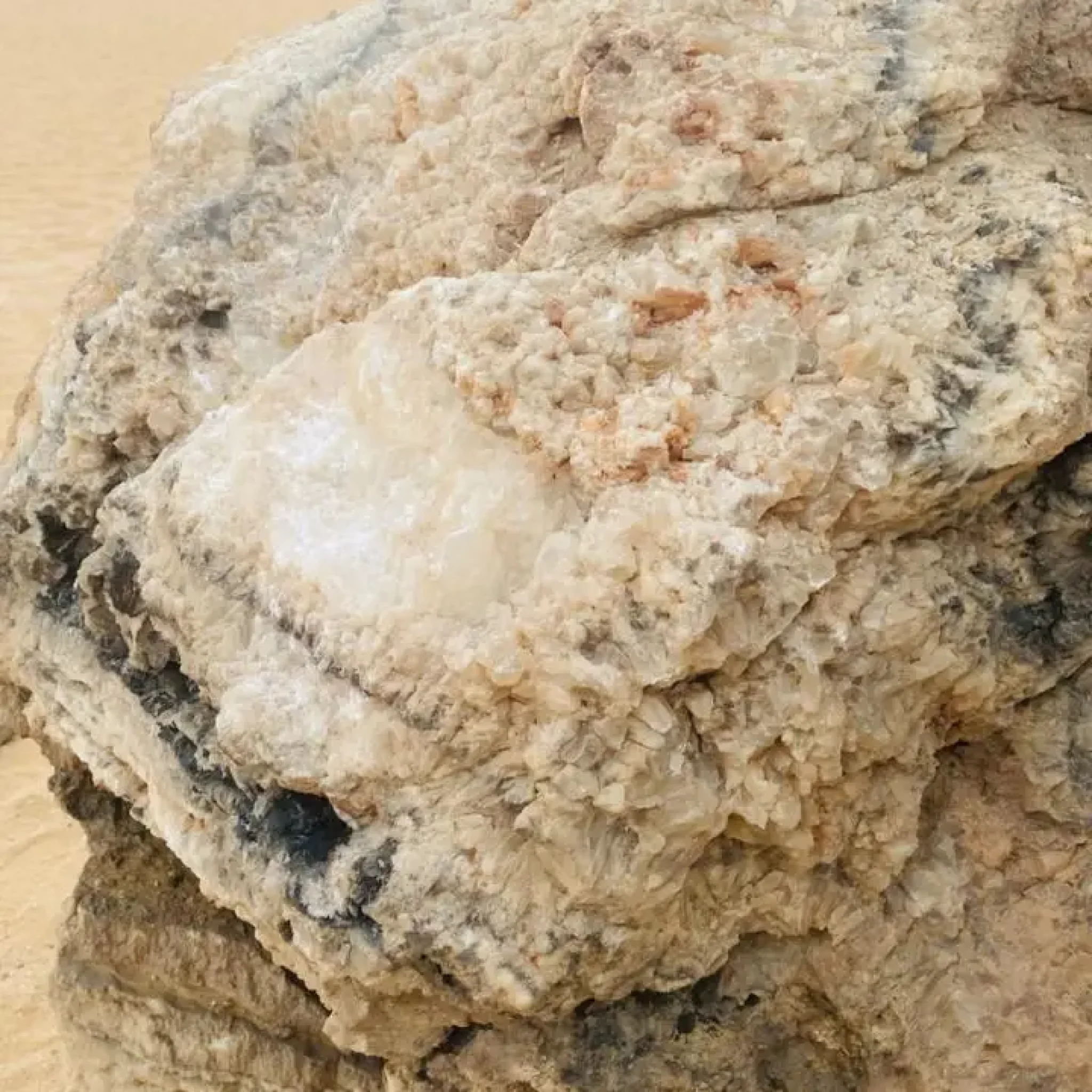
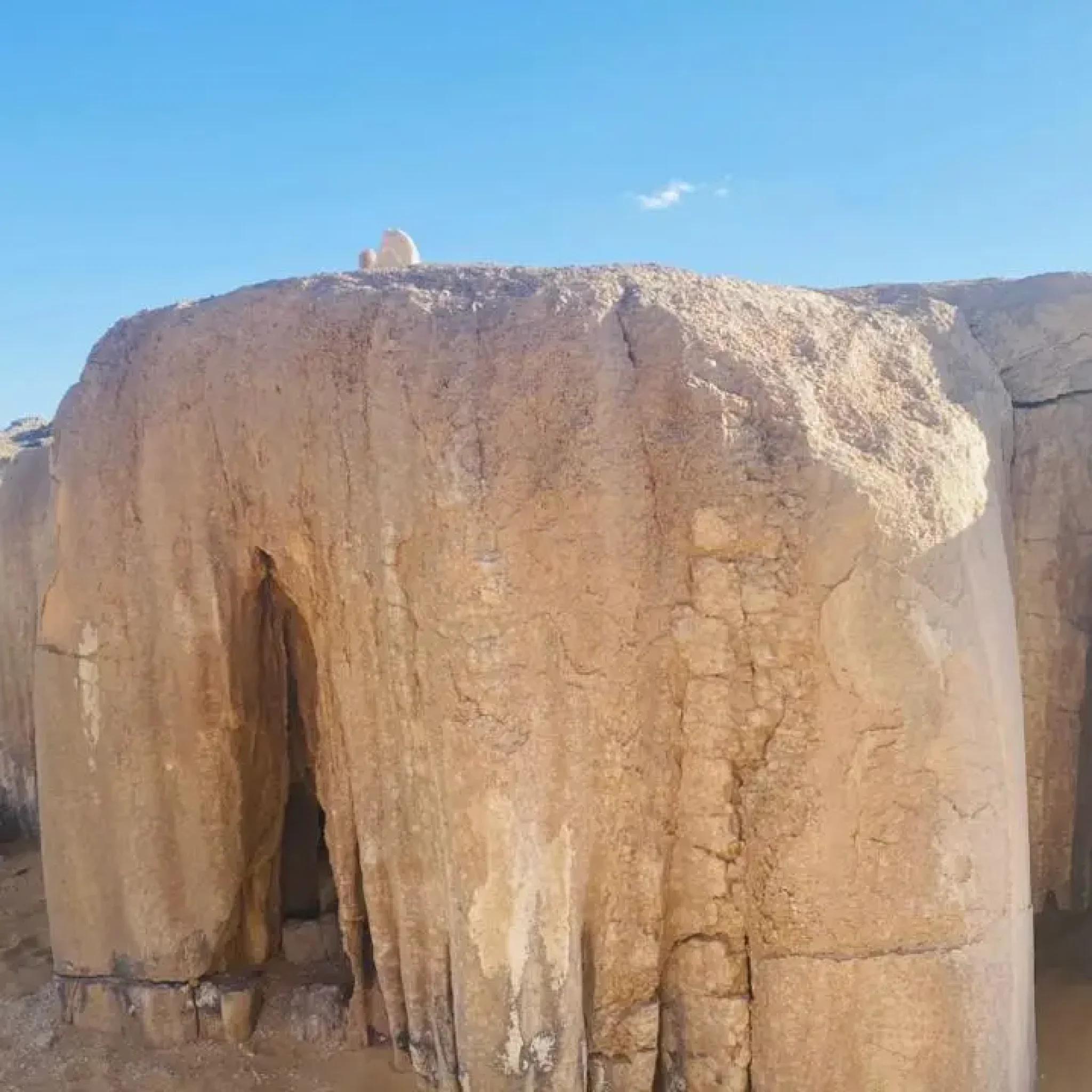
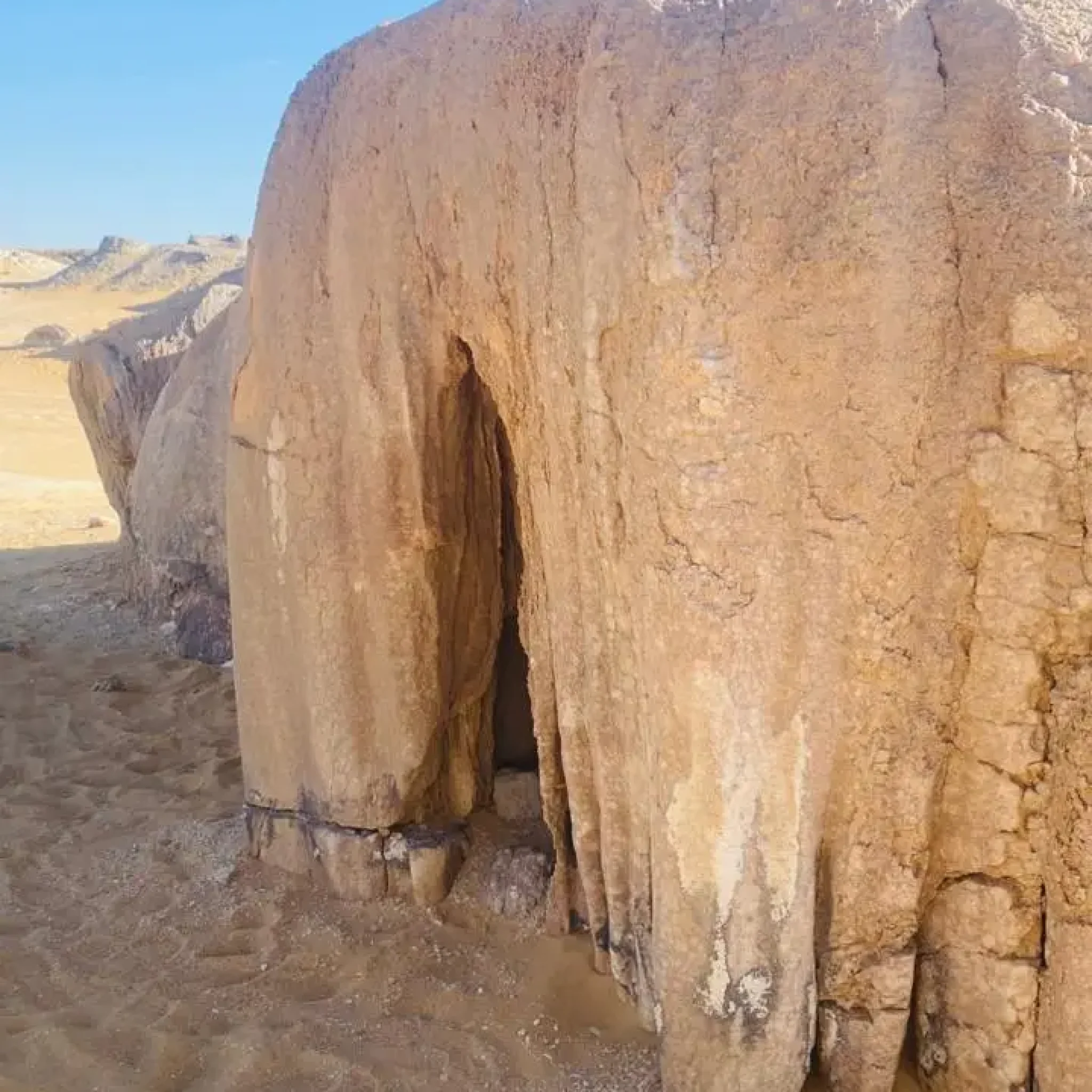
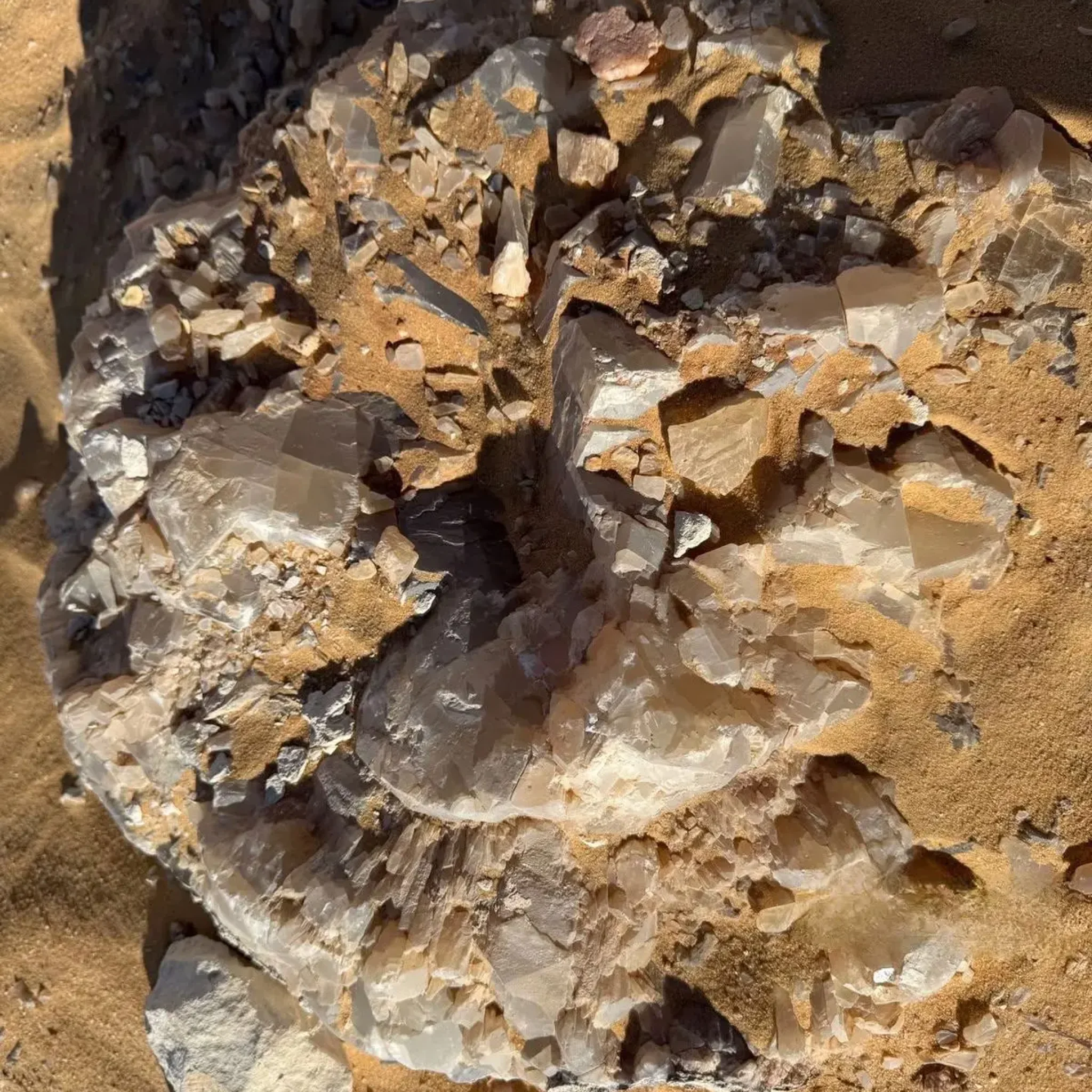
To the scientific world, Crystal Mountain is a paleokarst cave—a subterranean cavern that collapsed millions of years ago due to environmental shifts. What remains today are stunning stalagmite and stalactite formations composed of translucent calcite crystals. These aren’t just rocks; they are ancient records of Earth’s history, frozen in a crystalline dance that captures and refracts light in a spectacular display.
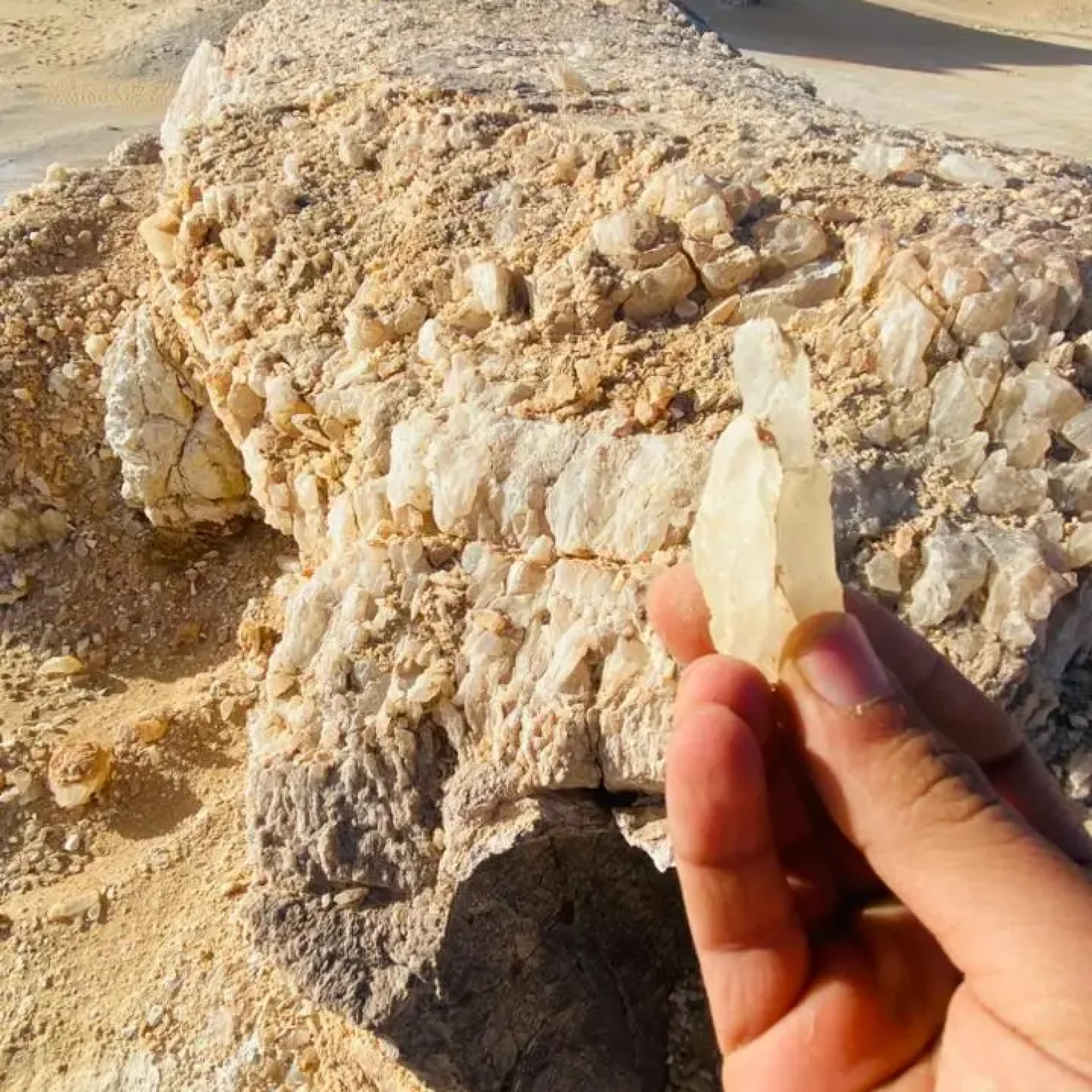
Why Crystal Mountain is a "High-End" Landmark:
The Crystal Arch: The most iconic feature of the site is a natural rock arch encrusted with glittering crystals. It serves as a perfect “natural frame” for photographers looking to capture the deep blue desert sky through a lens of ancient minerals.
A Palette of Light: Depending on the time of day, the mountain changes character. At high noon, the crystals are brilliantly transparent; at sunset, they absorb the orange hues of the horizon, glowing with a mystical, inner warmth.
The Great Transition: Geographically, this site marks the majestic transition point where the volcanic shadows of the Black Desert begin to fade, making way for the surreal, snowy landscapes of the White Desert.
The Etiquette of Exploration (Conservation):
As a luxury safari provider, we emphasize the preservation of this fragile beauty:
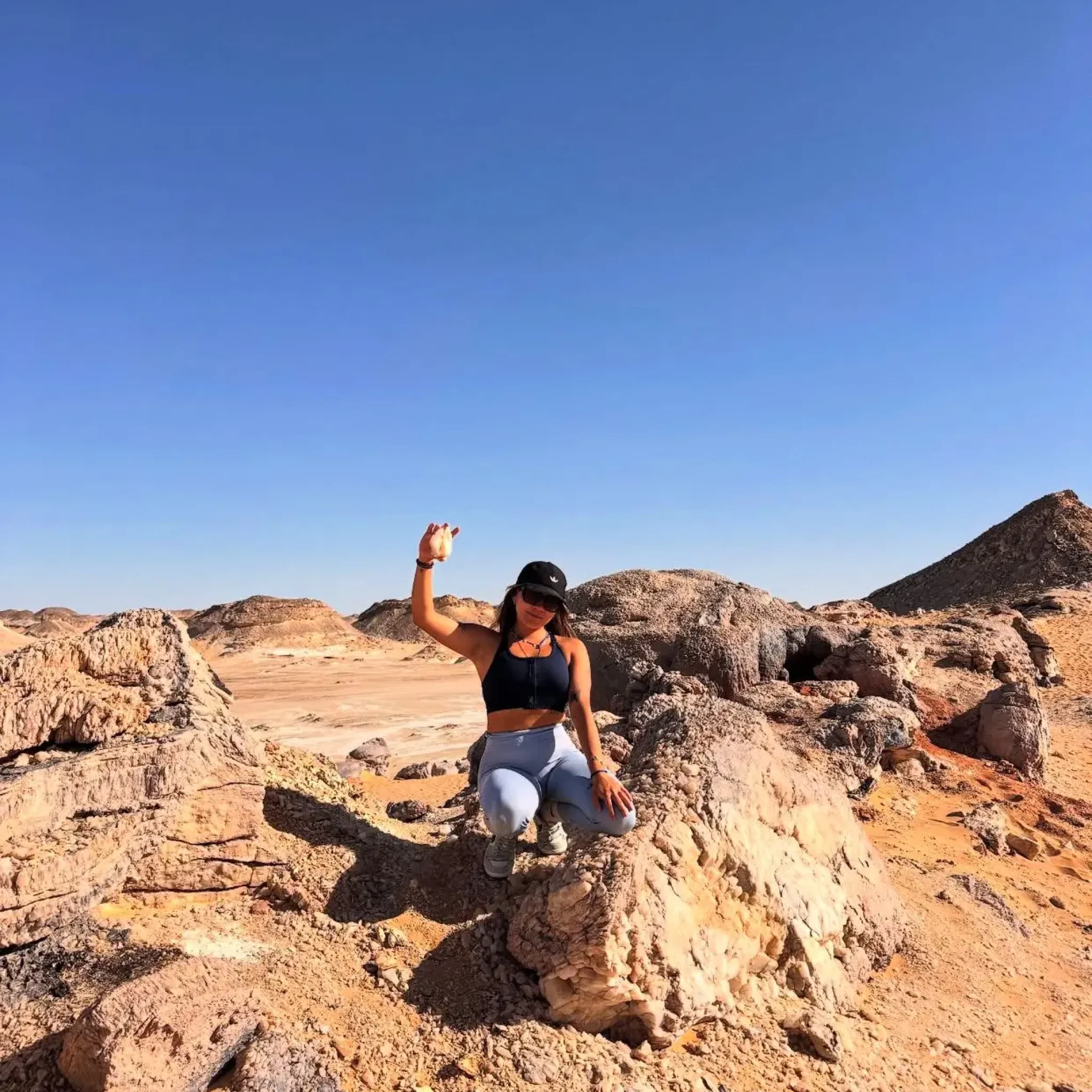
Observe, Don’t Touch: The beauty of Crystal Mountain lies in its integrity. We encourage our guests to capture the brilliance through their lenses rather than taking pieces of the crystals, ensuring this desert crown jewel remains intact for future explorers.
Eco-Preservation: As a protected area, the Black Desert must remain untouched. We adhere to strict “Leave No Trace” policies—keeping the basalt stones exactly where history placed them.
Gear Up: High-quality boots are essential for hiking over the sharp volcanic rocks, and a professional guide is a must to navigate the technical terrain safely.


Comment (0)