🏛️ Luxor: The World's Greatest Open-Air Museum
Luxor And Aswan
Luxor is split by the Nile into the East Bank (City of the Living) and the West Bank (City of the Dead) blending magnificent temples with iconic royal tombs.
Must-See Sights:
Colossi of Memnon (West Bank):
Two massive 18-meter stone statues of Pharaoh Amenhotep III standing proudly alone in the agricultural fields of the West Bank, greeting visitors as they cross over toward the royal tombs.
Valley of the Queens (West Bank):
The West Bank also houses the stunning tomb of Queen Nefertari with its immaculate artwork, alongside the heavily fortified mortuary temple of Ramses III at Medinet Habu, famous for its deeply carved, pristine wall reliefs.
Medinet Habu (West Bank):
A heavily fortified and remarkably well-preserved mortuary temple of Ramses III, famous for its vivid wall carvings.
Avenue of Sphinxes (East Bank):
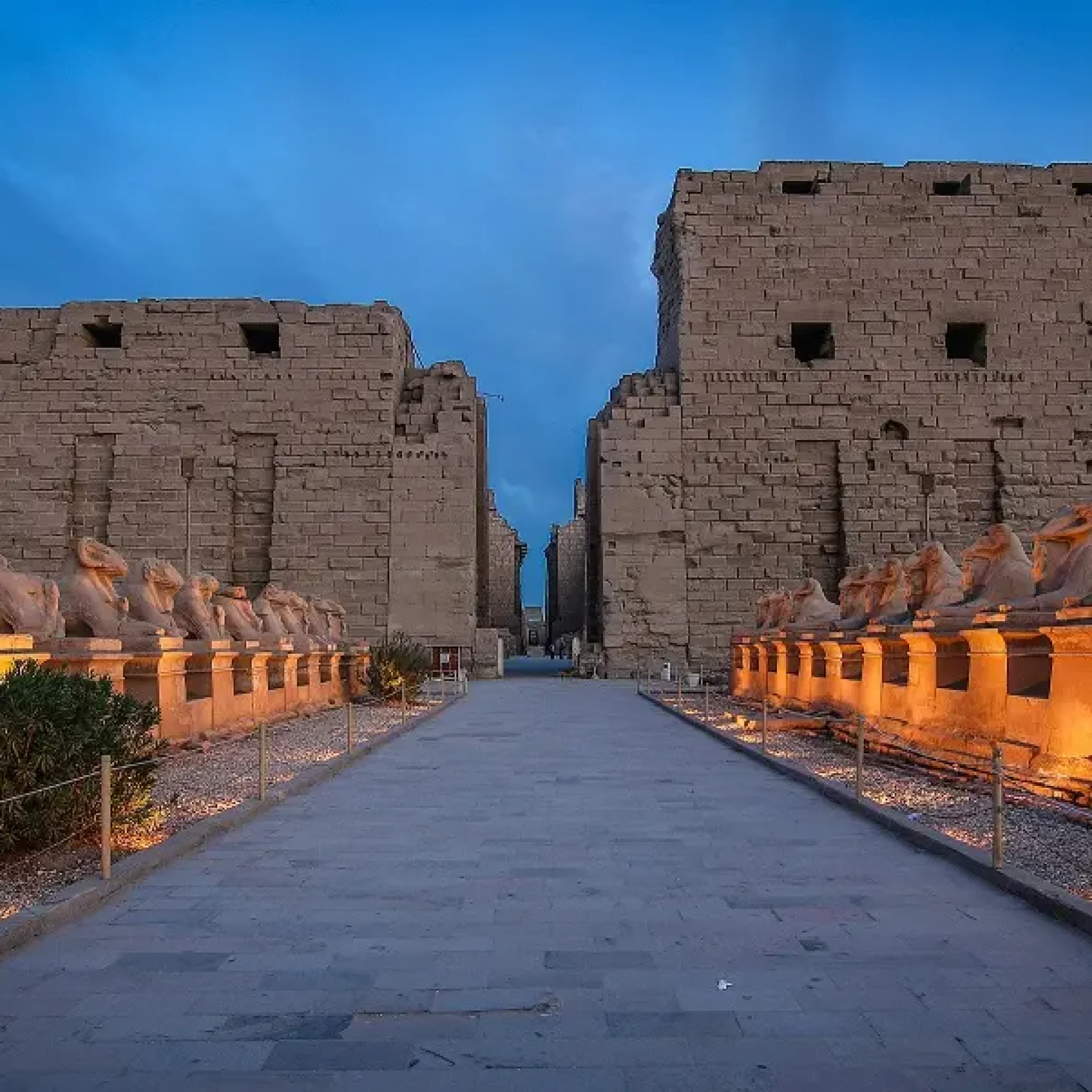
A fully restored 3-kilometer ancient processional way lined with hundreds of ram-headed and human-headed sphinx statues, connecting Karnak Temple directly to Luxor Temple through the heart of the city.
Karnak Temple:
A massive complex of pylons and giant pillars (East Bank).Covering over 200 acres, walking through the breathtaking Hypostyle Hall surrounded by 134 colossal stone columns covered in hieroglyphics makes you feel wonderfully small against the scale of ancient engineering.
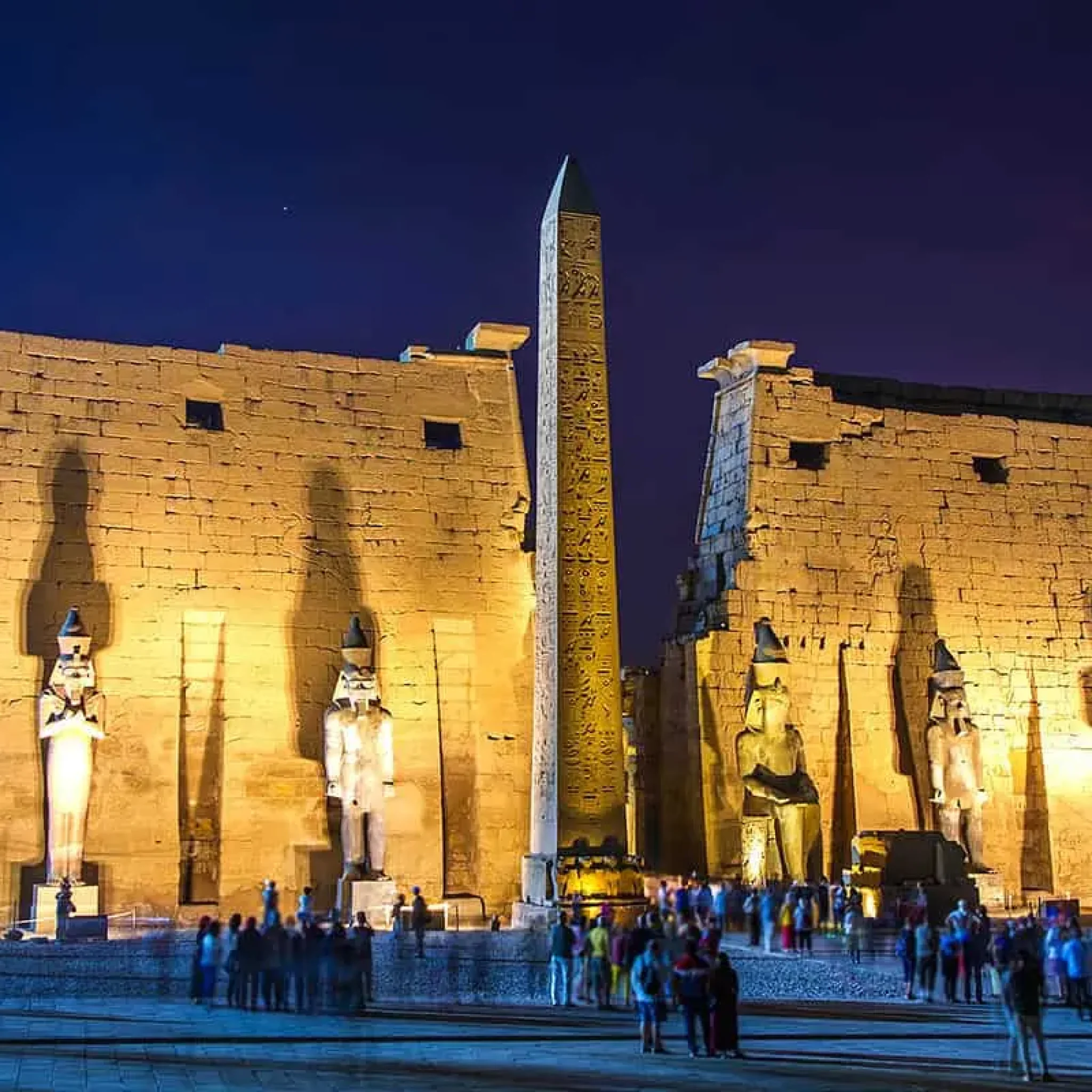
Luxor Temple:
Stunningly lit up at night, located in the heart of the city (East Bank).Unlike other temples, it spans multiple eras including Egyptian, Roman, and Islamic history, and visiting after dark when the statues and colonnades glow under amber lights is magical.
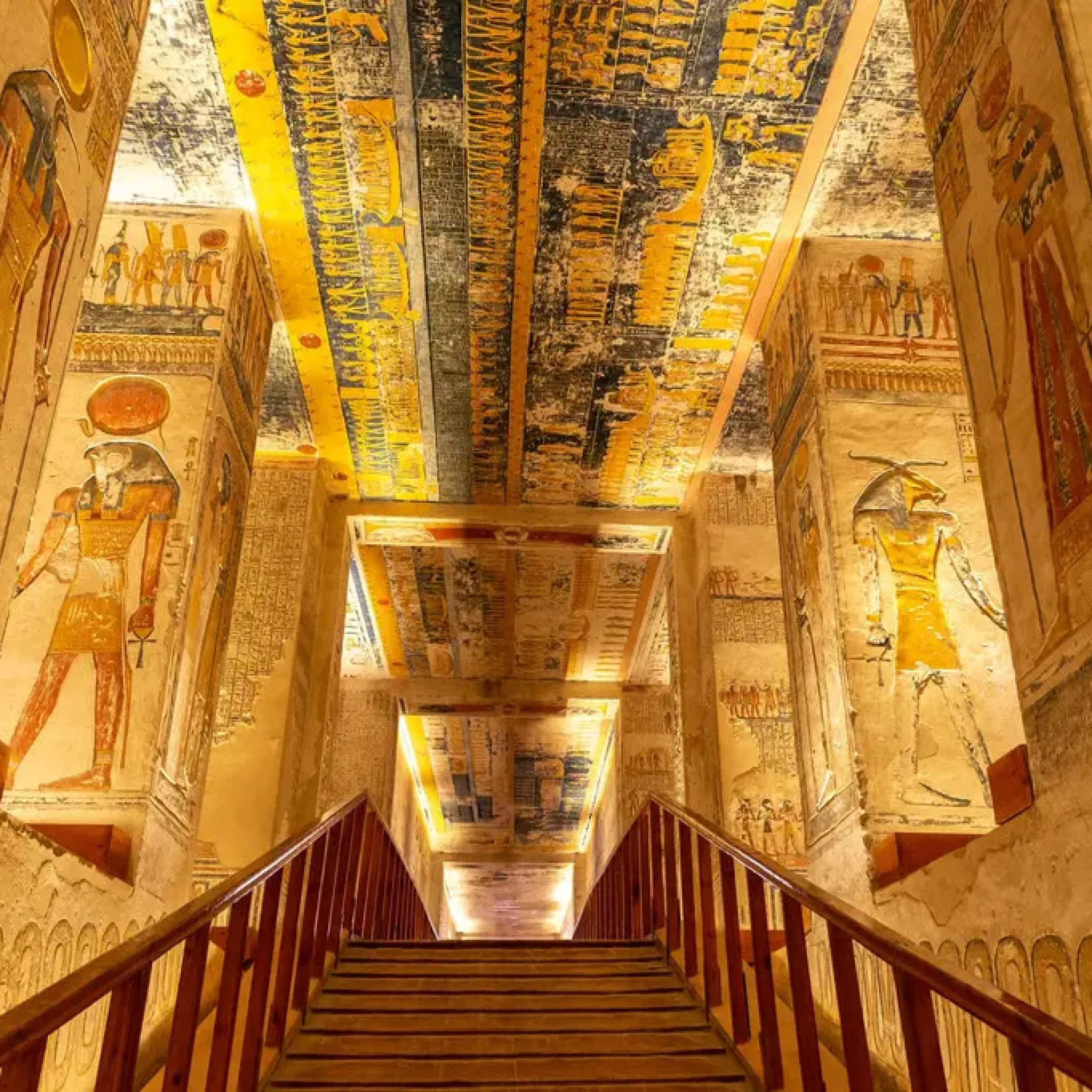
Valley of the Kings:
Hidden tombs of famous Pharaohs like Tutankhamun (West Bank).Carved deep into the dry limestone mountains, these subterranean chambers feature vibrant, brilliantly colored walls and ceilings detailing the journey into the afterlife.
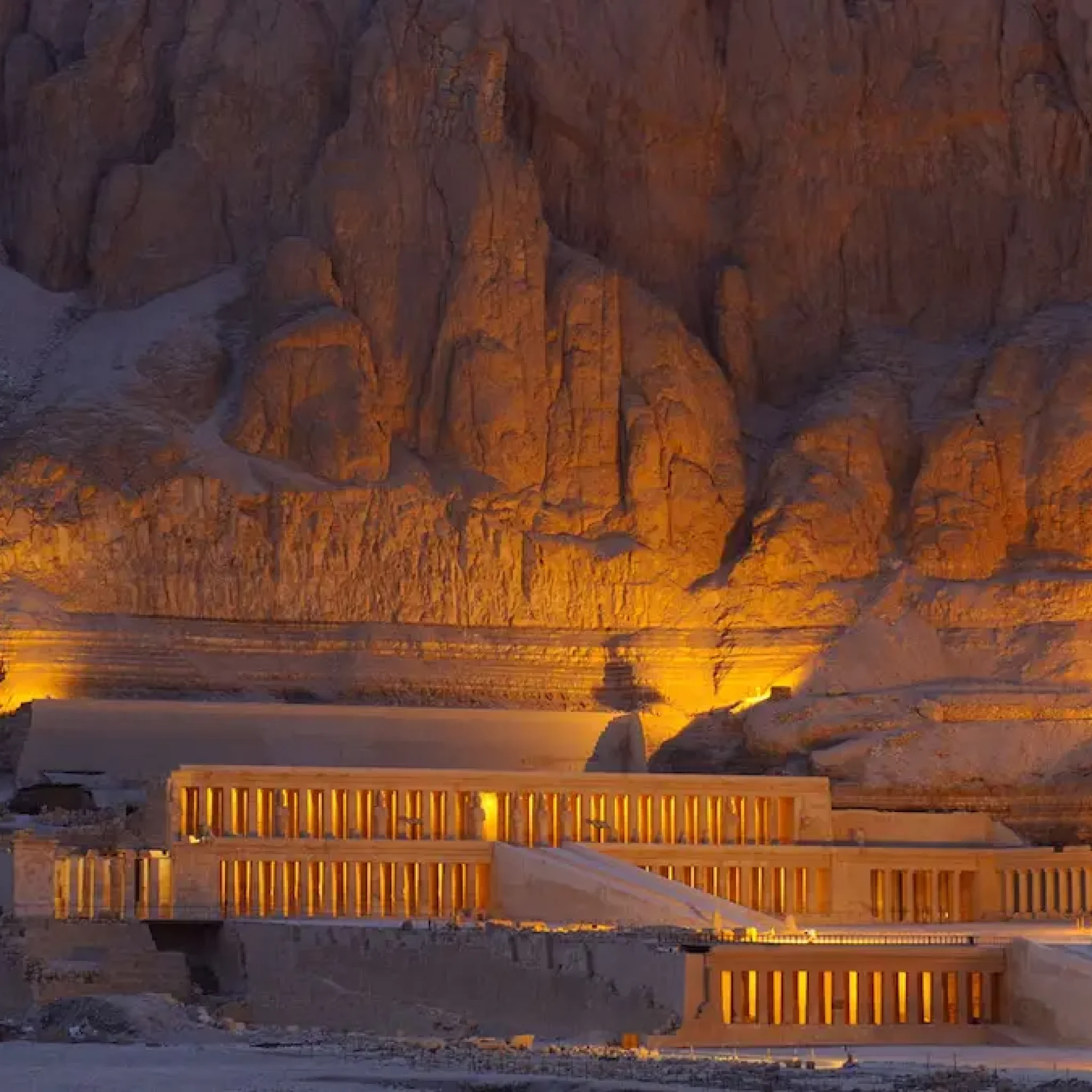
Hatshepsut Temple:
A unique, tiered temple built directly into the limestone cliffs (West Bank).Deir el-Bahari features stunning colonnaded terraces that rise harmoniously against the dramatic backdrop of towering yellow mountain walls.
Top Experience:
Hot Air Balloon Ride:
Taking a Hot Air Balloon ride at sunrise for a panoramic view of the ancient ruins. Floating hundreds of feet above the Nile, green fields, and archaeological sites as the morning sun illuminates the West Bank is widely considered one of the greatest travel experiences in the world.
Calèche (Horse Carriage) Ride:
A charming, traditional ride through the bustling local streets and markets of Luxor along the Corniche during the cool evening hours.
Felucca Sail on the Nile to Banana Island:
A relaxed afternoon sailboat ride across the Nile to a quiet local orchard where you can walk among banana trees, taste fresh local produce, and watch the river birds settle in for the evening.
Visit the Luxor Museum & Mummification Museum:
Well-curated museums offering a closer, intimate look at masterfully preserved statues and ancient royal mummies.
Pro Travel Tips for Luxor:
Best Time for West Bank:
Start early in the morning (around 6:00–7:00 AM) to beat both the afternoon heat and the large tour buses.
Combine Karnak & Luxor Temples:
Visit Karnak in the afternoon and head to Luxor Temple at sunset to see it beautifully illuminated under the night sky.
Dress & Protection:
Wear lightweight cotton clothing, a wide-brimmed hat, and comfortable walking shoes for exploring temple floors and tombs.
⛵ Aswan: The Jewel of the Nile
Luxor And Aswan
Aswan is known for its stunning Nile views, Nubian culture, and a much more relaxed “chill” vibe.
Must-See Sights:
The Unfinished Obelisk:
Located in the northern stone quarries, this massive abandoned monument gives a fascinating glimpse into ancient Egyptian stone-carving techniques, showing how giant obelisks were chiseled directly out of bedrock before a crack forced workers to abandon it.
Elephantine Island & Botanical Garden:
An island rich in ancient ruins, local villages, and the tranquil Kitchener’s Island botanical garden, which is packed with exotic trees and plants brought from around the world during the British colonial era.
Kom Ombo Temple:
A rare double temple dedicated to both Sobek (the crocodile god) and Horus, located right on the banks of the Nile between Aswan and Luxor.
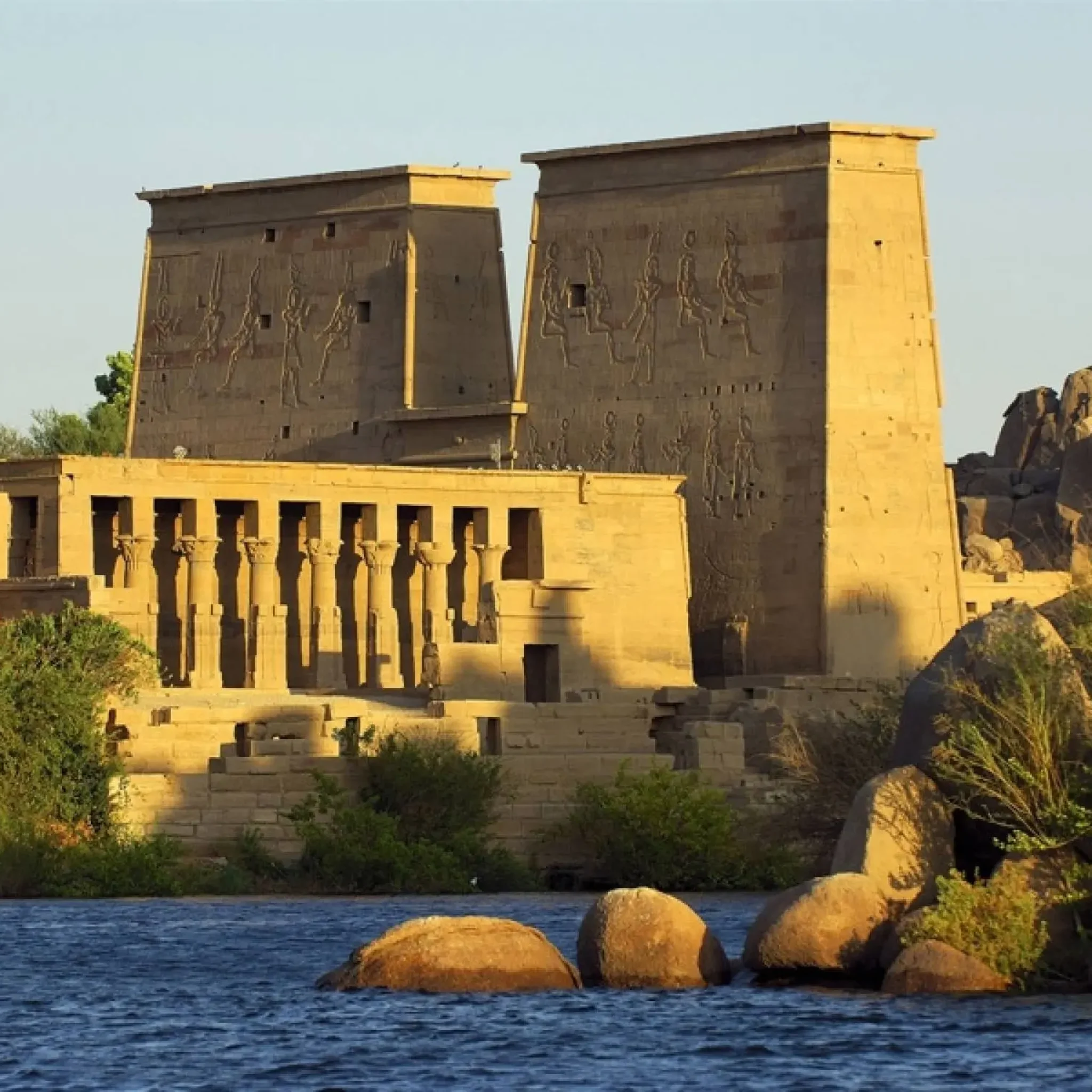
Philae Temple:
An island temple dedicated to the goddess Isis, reached by a small boat, This breathtaking sanctuary was painstakingly relocated stone by stone to Agilkia Island to save it from rising waters caused by the High Dam, offering incredible photo opportunities and a peaceful boat ride across the glittering Nile.
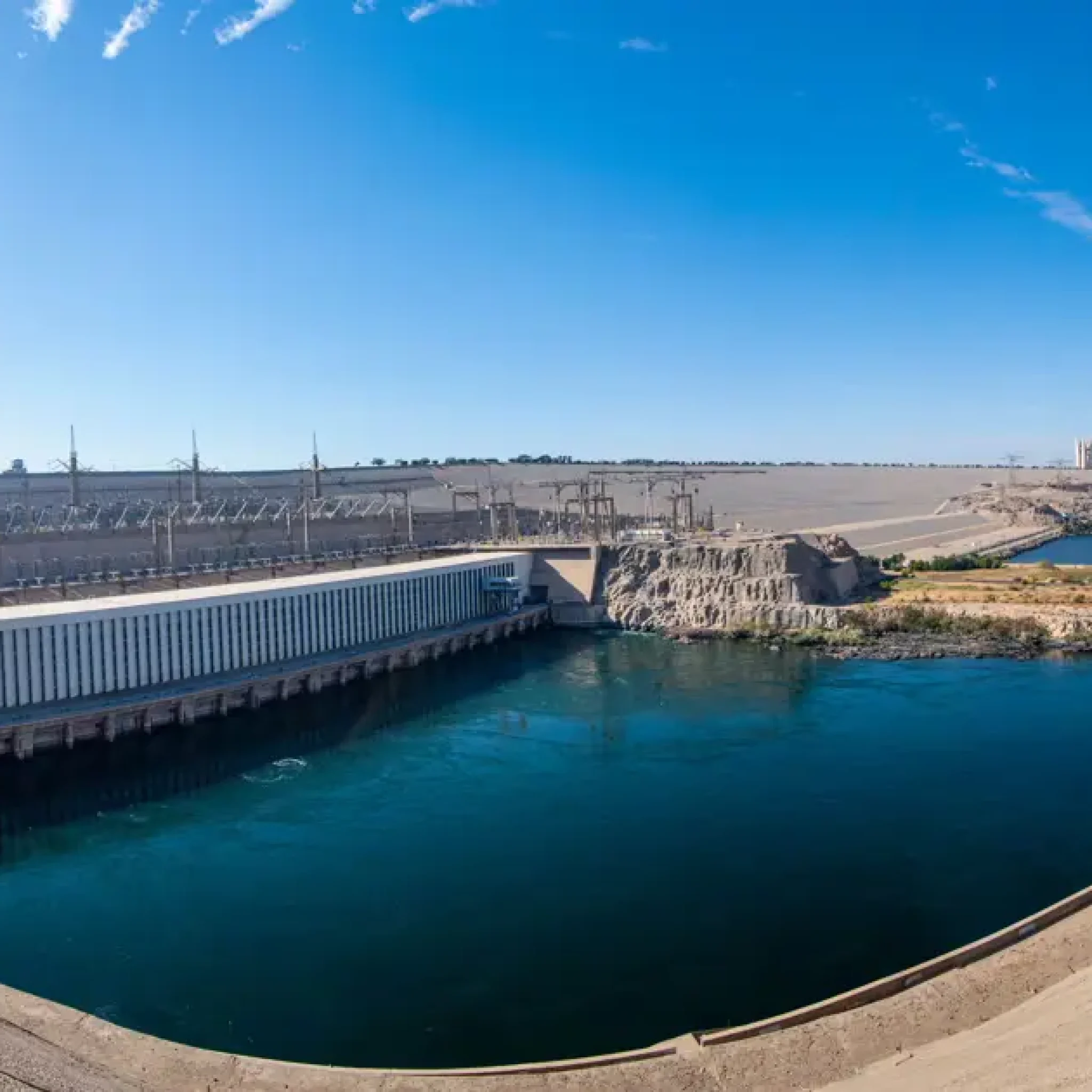
The High Dam:
A modern engineering marvel that created Lake Nasser.Built in the 1960s, it changed Egypt’s geography forever, and visiting the top gives you sweeping views over the massive reservoir and the hydropower plant that supplies electricity across the country.
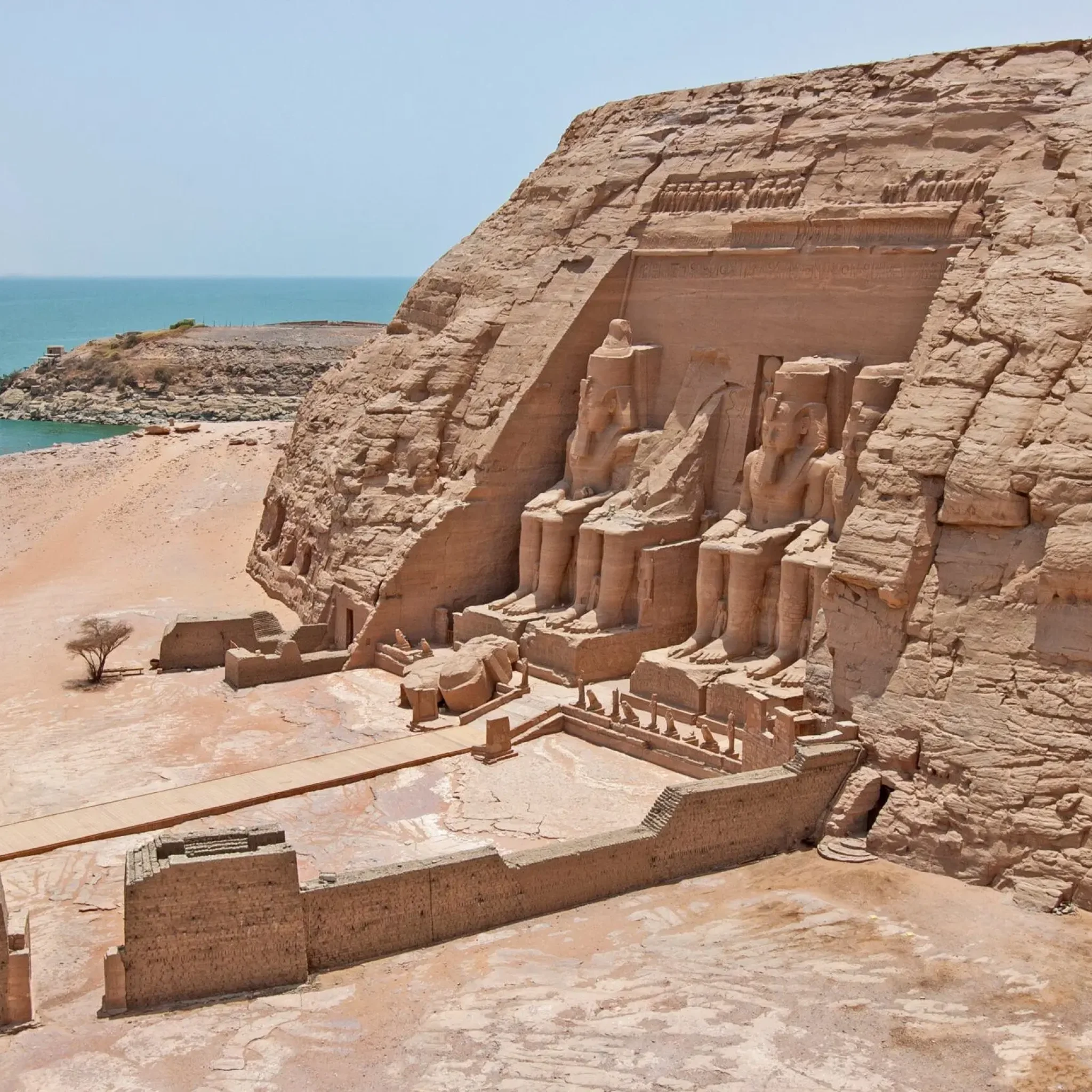
Abu Simbel:
(3 hours from Aswan) The iconic massive statues of Ramses II—highly recommended if you have time.Carved directly into the mountain cliffs, these colossal temples were also moved in an epic engineering feat, and walking between the giant statues at sunrise is an unforgettable bucket-list experience.
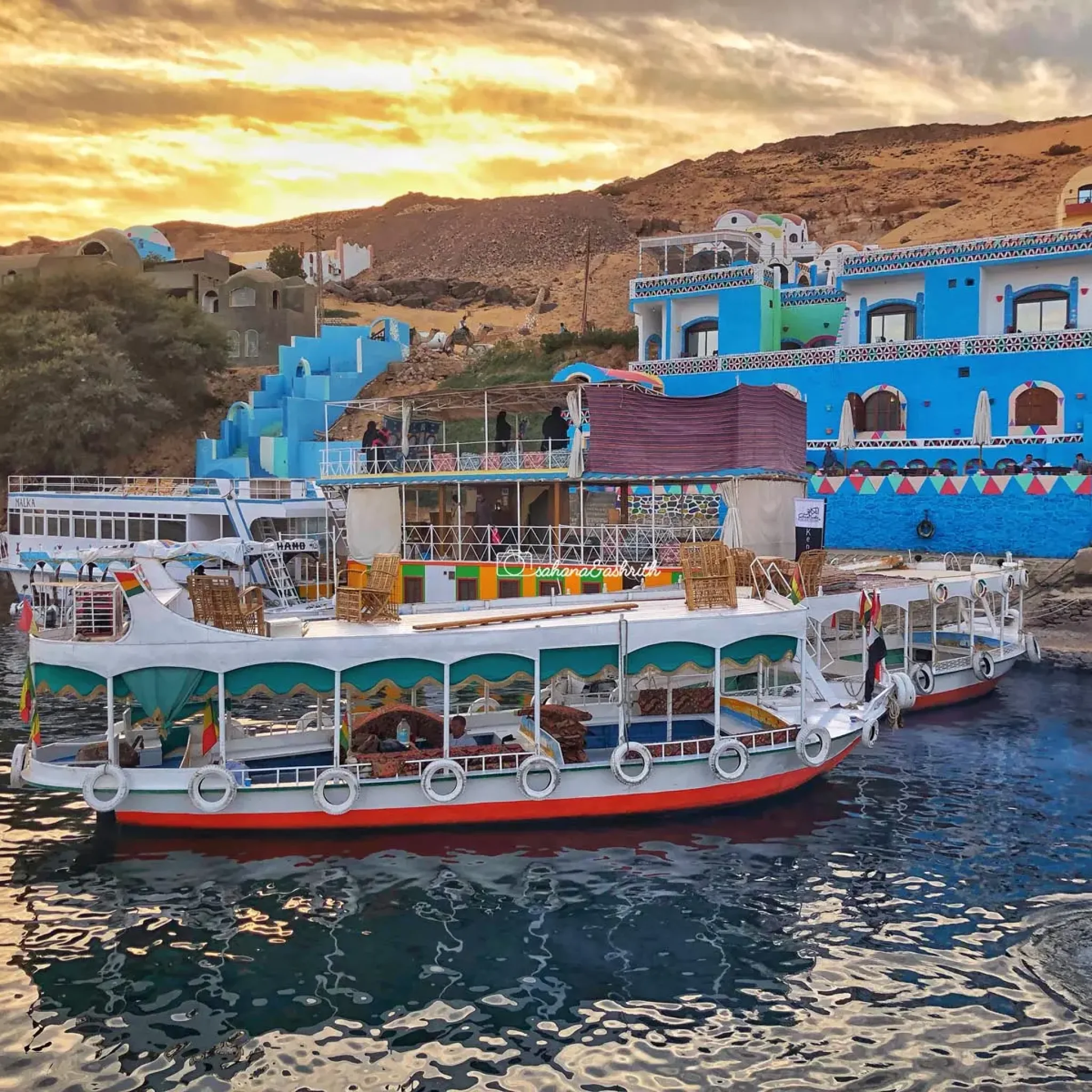
Nubian Village:
Vibrant, colorful houses with friendly locals and traditional food.Wandering through Gharb Soheil village lets you experience authentic Nubian hospitality, sip fresh hibiscus tea (Karkadeh), try traditional spiced meals, and even see rescued baby crocodiles kept in local homes.
Top Experience:
A Felucca (traditional sailboat) ride at sunset around Elephantine Island.
A Felucca Sunset Ride:
A traditional sailboat ride around Elephantine Island. Gliding silently across the water powered only by the breeze as the sun dips below the golden desert dunes is the ultimate way to unwind and soak in the tranquil rhythm of life on the Nile.
High Tea at the Historic Old Cataract Hotel:
Stepping onto the legendary terrace where Agatha Christie wrote Death on the Nile, enjoying classic afternoon tea while watching feluccas sail past Elephantine Island against a brilliant orange sunset.
Stroll Through Aswan Souk (Bazaar):
Explore vibrant local markets filled with Egyptian spices, natural hibiscus (Karkadeh), handmade crafts, and colorful souvenirs.
Shopping at Aswan Souk:
Strolling through the lively, vibrant open-air bazaar filled with the scent of organic Egyptian spices, colorful Nubian basketry, essential oils, and hand-woven fabrics.
Whether you are looking to unwind by the Nile or explore ancient wonders, Aswan,Luxor is a must-visit destination on your Egypt trip.Luxor and Aswan
Comment (0)